

Overview
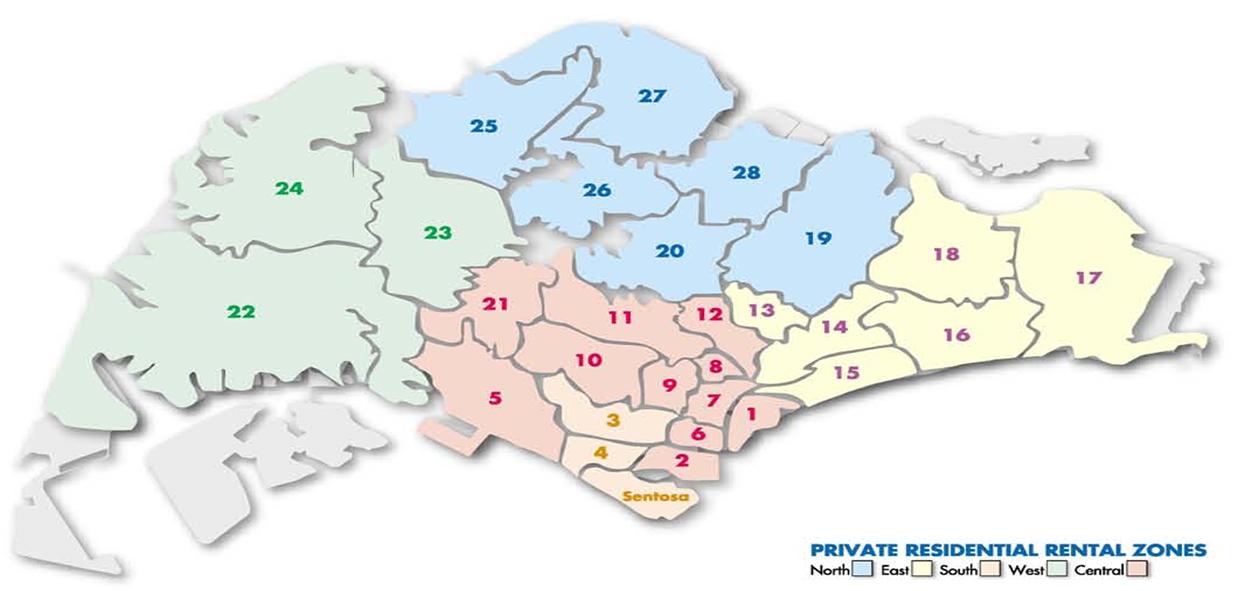
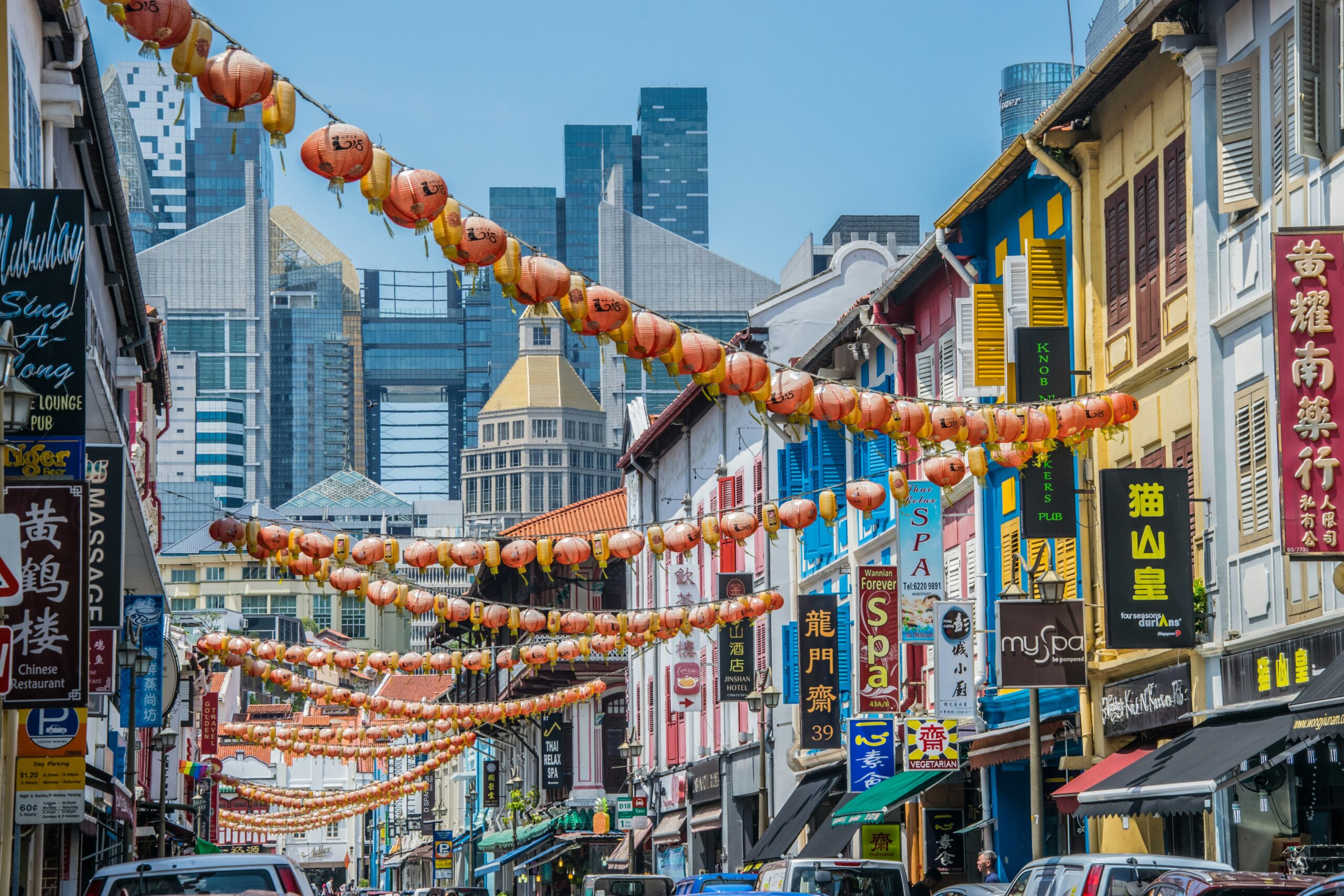
District 2 is a vibrant district that blends Singapore’s cultural heritage with modern city living. It is characterised by conserved shophouses, bustling markets, and an ever-growing collection of high-rise residences and commercial towers. The area is popular with both investors and residents due to its unique mix of tradition, convenience, and urban vibrancy.
URA Master Plan
The URA's plans for the Chinatown/Tanjong Pagar area focus on heritage conservation, connectivity, greening, and community engagement to create vibrant, walkable districts. Key initiatives include pedestrianizing streets and enhancing walkways in Chinatown, developing the Former Tanjong Pagar Railway Station as a gateway to the Greater Southern Waterfront, and improving green linkages to enhance walkability and access to parks. The plans also emphasize partnerships with local communities and businesses to support local trades, activities, and sustainability efforts.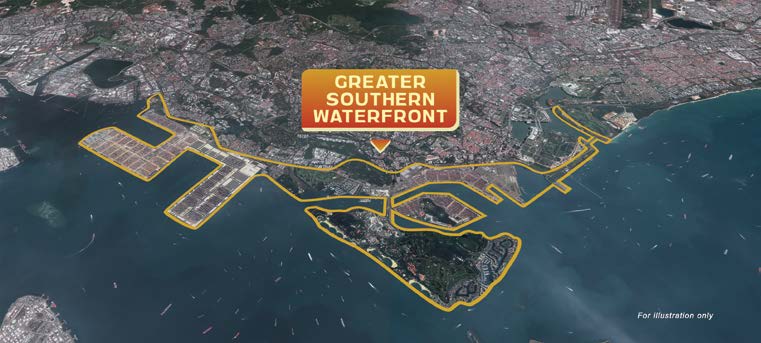
Greater Southern Waterfront (GSW) Project
Yes, Tanjong Pagar is an integral part of the Greater Southern Waterfront (GSW) project. Its inclusion is made possible by the relocation of the city port terminals, which will free up significant land for redevelopment.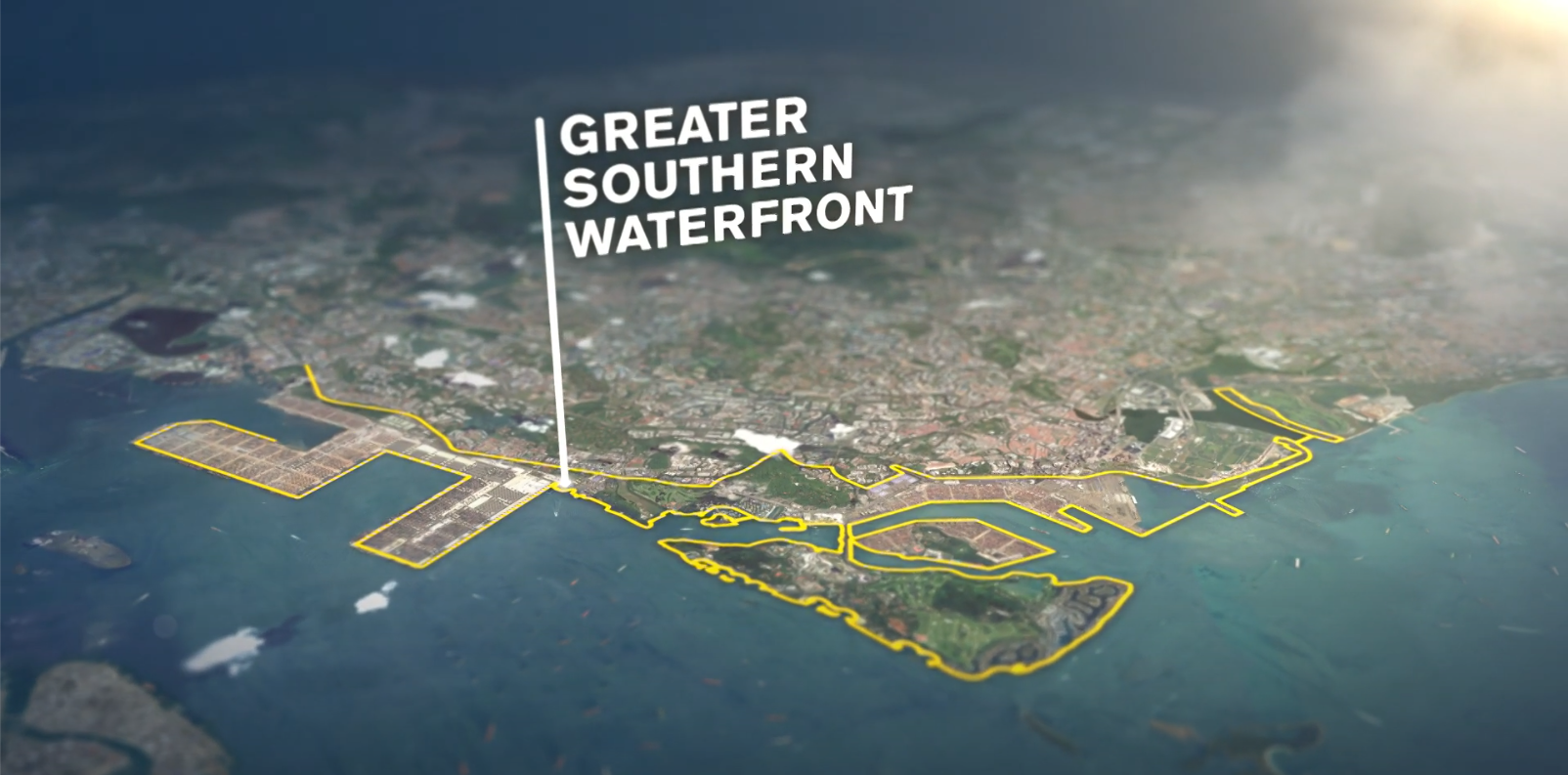
Tanjong Pagar is positioned to be a key gateway and a dynamic extension of the Central Business District (CBD). The area's transformation is a multi-decade project, with initial land becoming available for development by 2027 following the port's move to Tuas. Key redevelopment initiatives for the Tanjong Pagar area include: Expansion of the city center: New commercial, residential, and entertainment facilities will extend Singapore's downtown area. Former Tanjong Pagar Railway Station: The old station will become a southern gateway to the Rail Corridor. It will also be a key link connecting the GSW waterfront to the island's green network. New reservoir and waterways: The plan includes creating a new reservoir between Tanjong Pagar and Pulau Brani. This will not only increase water supply but also introduce a network of canals that could feature waterside cafes and shops. Green corridors: A new "eco-corridor" will link Gardens by the Bay to the island-wide park connector network, which includes the Rail Corridor and Southern Ridges.
Tanjong Pagar and Anson rejuvenation
The URA's master plan for the broader Anson-Tanjong Pagar area envisions a vibrant, mixed-use urban neighborhood with new residential, retail, and dining options. Mixed-use developments: Four office buildings are being converted into mixed-use developments under the Central Business District (CBD) Incentive Scheme. Residential growth: More than 1,100 new homes are planned for the area. Improved connectivity: The plan includes new cycling paths and sheltered walkways to make the area more walkable. Public spaces: To foster community, new courtyards and open spaces will be created.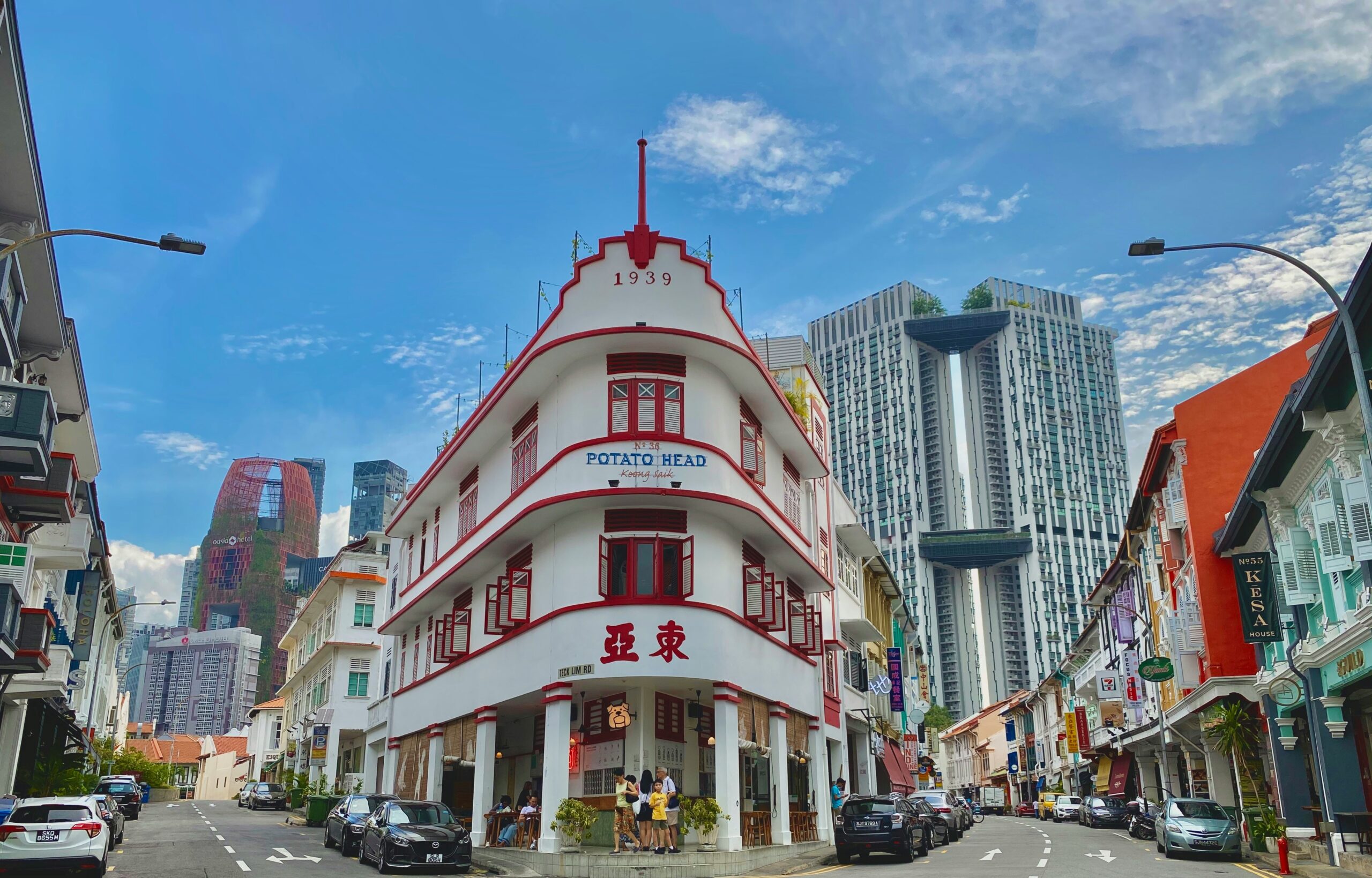
Chinatown heritage and placemaking
The URA's plans for Chinatown focus on preserving its heritage while continuing placemaking efforts with local businesses and communities. Conservation: The URA designated Chinatown as a Historic District in its 1989 Conservation Master Plan, and the area's many national monuments continue to be conserved. Historic streetscape: The distinctive shophouses in areas like Bukit Pasoh and Kreta Ayer will retain their mix of residential, association, and commercial activities.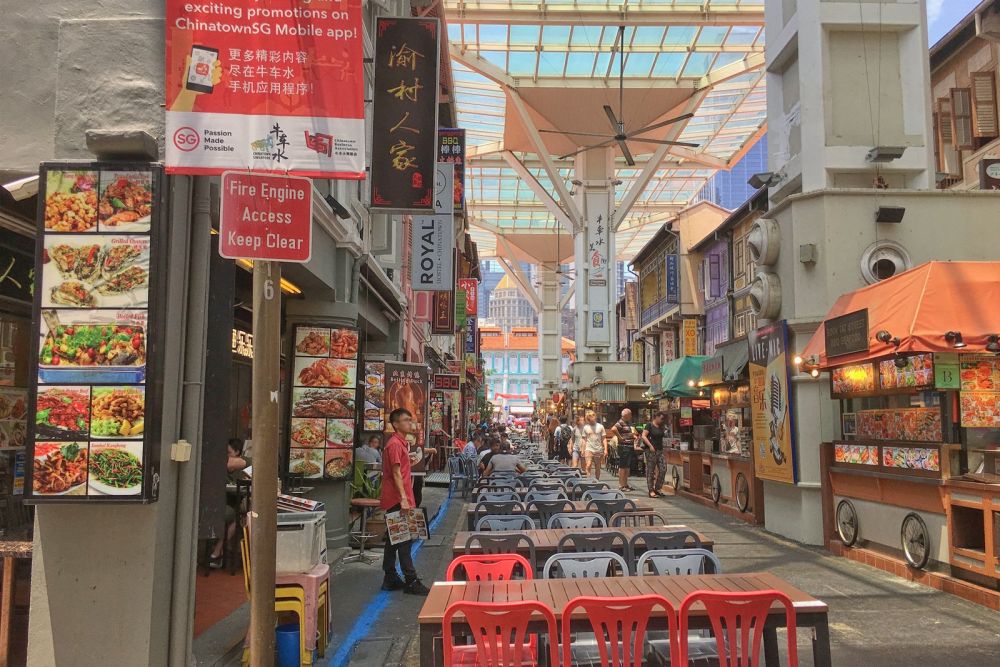
Reach Out—We’re Here to Help
Have questions or need assistance? Our team is here to help. Reach out to us today, and we’ll get back to you promptly!
Follow us on our social media
